
A merged Senate draft of the Digital Asset Market Clarity Act could be released as early as next week, with a floor vote targeted for the week of July 20, but the bill still lacks the Democratic support needed to clear the 60-vote threshold required to break a filibuster.
The new text combines work from the Senate Banking and Agriculture Committees and is said to have added more than 70 pages of material, with greater emphasis on consumer protections than either committee’s standalone version.
That scope signals meaningful negotiation happened, not a mechanical merge, but scope alone does not resolve the core political impasse.
Discover: The Best Token Presales
Ethics Provision Remains the Wall
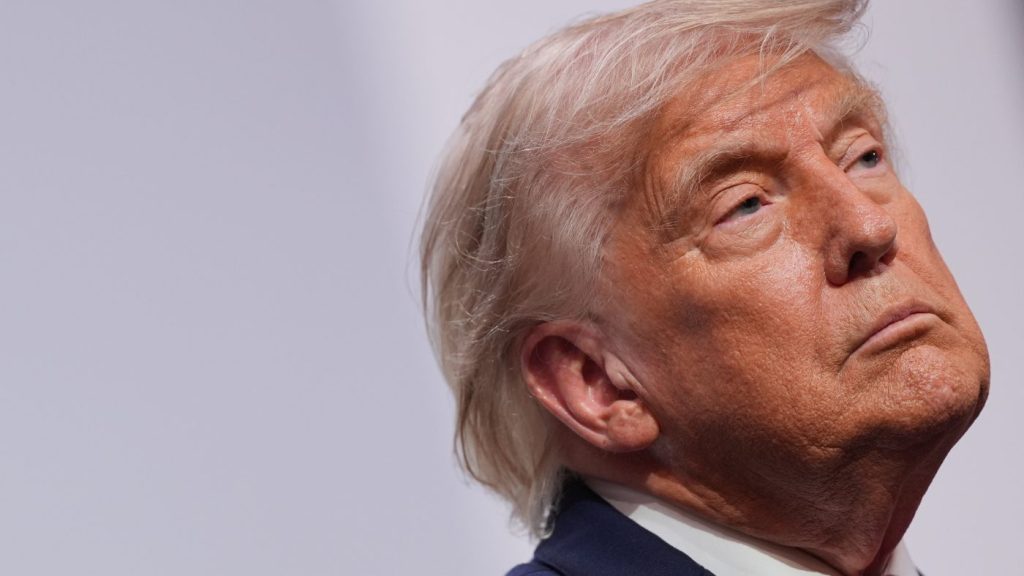
The central sticking point is an ethics provision Senate Democrats are demanding: a restriction barring senior government officials, including the president, from maintaining business ties with the crypto sector. No compromise has been reached, and sources familiar with the negotiation told CoinDesk progress has slowed to a crawl.
One idea in circulation would allow state attorneys general to sue for ethics violations, but nothing has solidified.
The stakes are concrete. Even the two Democrats who voted to advance the Banking Committee’s version have warned they may not support the final bill if the ethics question goes unresolved. Without several Democratic votes, the bill cannot clear the Senate, and that is the entire ballgame for crypto regulation in 2026.
JUST IN:
CFTC Chair on passing the Clarity Act: "We're so close."
"We have to get this done. It's absolutely critical that we have a federal standard for crypto assets."
— Bitcoin Magazine (@BitcoinMagazine) July 8, 2026
 CFTC Chair on passing the Clarity Act: "We're so close."

Beyond ethics, outstanding issues include federal preemption and the filling of minority seats on the SEC and CFTC. On July 9, the White House sent a letter to Senators John Thune and Chuck Schumer noting that Democrats had not submitted names for minority roles on those commissions.
Democrats had previously accused Trump and Thune of blocking the normal nomination process for independent agency seats, a dispute that remains unresolved and now layers additional friction onto an already compressed timeline.
The broader context of how U.S. regulators approach crypto oversight can be tracked through the SEC’s 2026 regulatory agenda, which is advancing on a parallel but separate track from this Senate legislation.
Discover: The Best Crypto to Diversify Your Portfolio
One Positive Signal: Wyden Backs DeFi Protections
Not everything is stuck. Senator Ron Wyden of Oregon sent a letter to Senate leadership on July 8 expressing support for the Blockchain Regulatory Certainty Act provisions embedded in the Clarity Act.
The BRCA would ensure crypto developers are not treated as money transmitters under federal regulations if they are not handling customer assets, a top priority for the DeFi sector, which has made preserving those protections a core demand throughout the Clarity negotiations. Senator Ron Wyden addressing an audience in Oregon.
Wyden’s letter does not resolve the ethics standoff, but it narrows the Democratic objection list somewhat. It also signals that at least some Democrats see enough in the bill’s market structure framework to engage constructively rather than simply walk away.
The Calendar Is Running Out
The Senate has three remaining weeks in July and the first week of August before recess. The legislative mechanics of advancing a bill of this complexity could consume several of those days on their own, and a defense spending bill may compete for floor time. Industry insiders have begun privately expressing doubt the bill survives this window, though advocates maintain no fatal deadline has passed yet.
Even a Senate passage would not end the process. The House would need to approve the Senate’s version before it goes to the president, and the House has been paralyzed by Republican infighting.
Trump has also declined to sign the Senate’s bipartisan housing bill while demanding voting-rule concessions, introducing further uncertainty about whether any bipartisan Senate product gets signed into law.
The kind of regulatory uncertainty this legislative delay creates is not abstract; exchanges operating without clear U.S. frameworks face the compliance and liquidity pressures that platform failures have demonstrated when regulatory ambiguity intersects with operational stress.
If the merged draft drops next week and floor action follows the week of July 20, the Senate will have roughly two weeks to resolve ethics, preemption, and commission appointments, negotiate final text, secure Democratic votes, and pass a bill that still needs a functional House and a willing White House to become law. The window exists. It is narrow, and it is closing.
Don’t Miss Out on Our $1,000 USDT Airdrop on ByBit
The post Ethics Deadlock Threatens Senate Crypto Bill Despite July Vote Target appeared first on Cryptonews.
Credit: Source link