
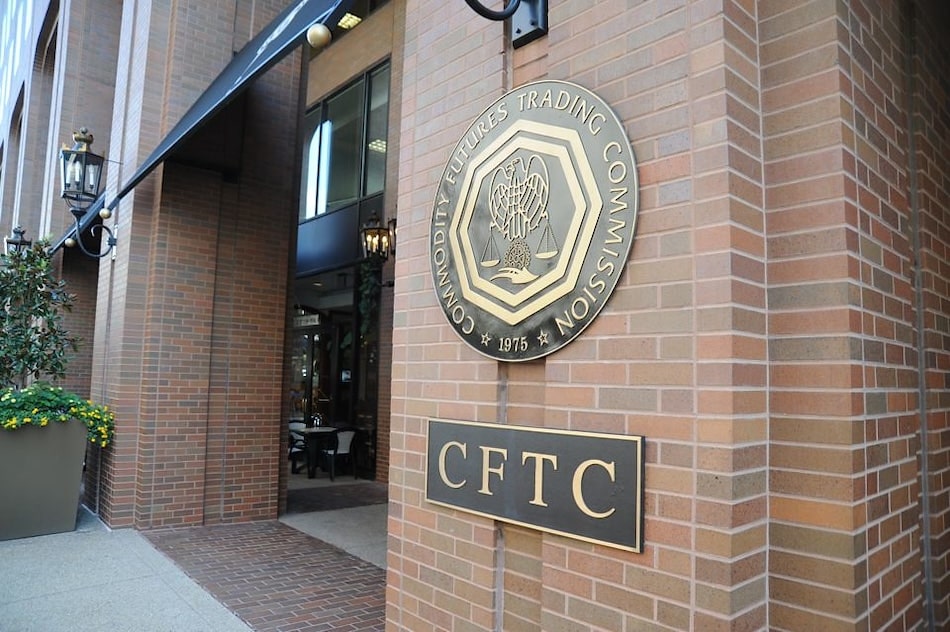
The heads of both U.S. market regulators said Wednesday they will write crypto rules on their own, a day after the Senate refused to take up the CLARITY Act.
Two posts, two hours apart
CFTC Chairman Michael Selig went first, posting at 10:35 a.m. ET:
“The outcome of yesterday’s Senate vote was unfortunate. President Trump promised to deliver a future-proof crypto asset regulatory market structure one way or the other, and we will help him get the job done using our existing statutory authorities. The CFTC is locked in and ready to ship its rules for the new frontier of finance.”
SEC Chairman Paul Atkins followed at 12:11 p.m. ET:
“I have been unequivocal: with or without legislation, we will act decisively within the SEC’s statutory authority to deliver certainty for American investors and for the entrepreneurs shaping our technological future.”
Atkins also thanked everyone who had worked on the bill across the administration, Congress, investors and innovators.
Warnings before the vote
The Senate rejected cloture on H.R. 3633 by 49-50 on Tuesday, 11 votes short of the 60 needed, with all 49 votes to proceed coming from Republicans.
Selig had already told the CFTC’s Innovation Advisory Committee on Aug. 20 what would happen if the bill stalled:
“If the Democrats cannot support a bipartisan work product, which reflects compromises from both sides of the aisle, and ultimately send a fair version of the bill to the President’s desk, then rest assured, I will direct CFTC staff to move swiftly to propose these new rules for the industry.”
What is already filed
The SEC’s Regulation Crypto Assets proposal, published Aug. 21, would create two exemptions from Securities Act registration, one for offerings up to $5 million over four years and another up to $75 million in any 12 months.
Comments close Oct. 20, with transfer agent rules and a custody proposal that would let advisers self-custody sitting behind it.
The CFTC has sent 18 proposed rules to the Federal Register since January, none of them on crypto market structure, relying instead on staff advisories and no-action letters.